Written by
Author
Published on
November 24, 2026

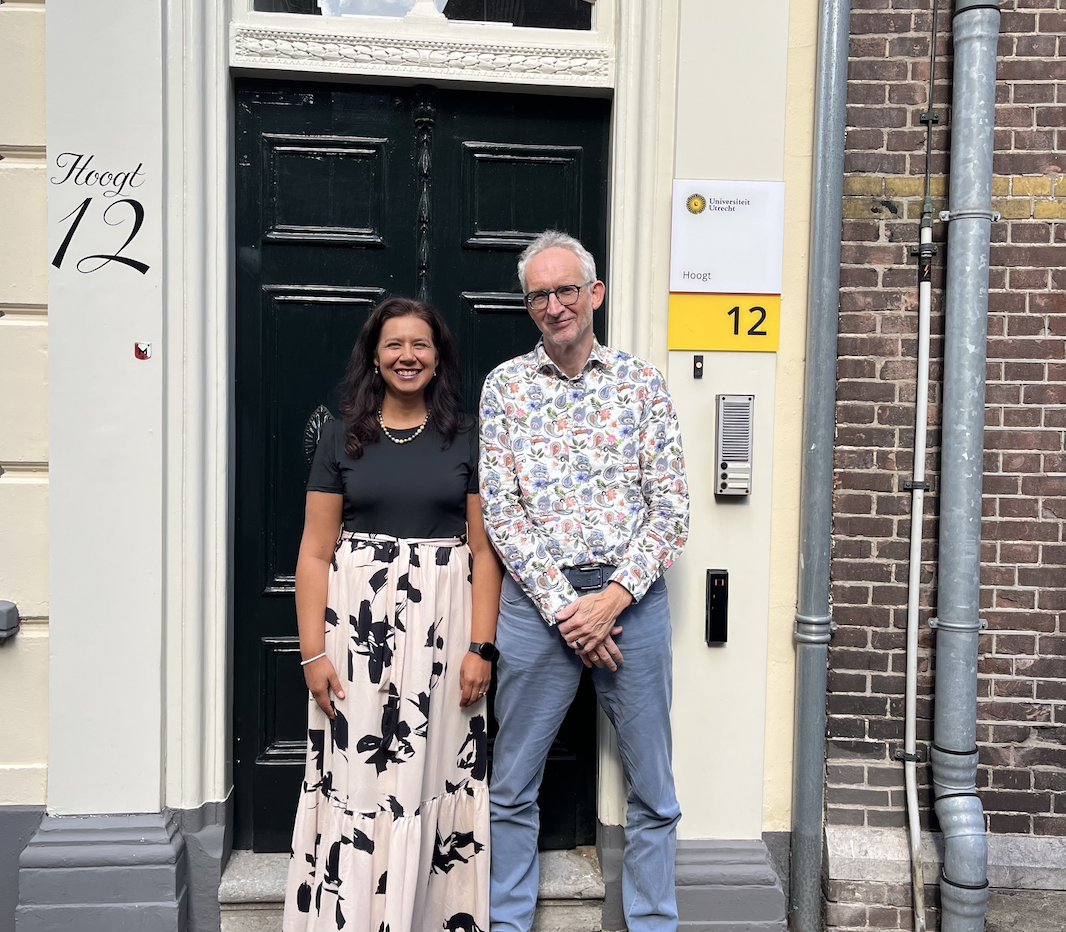
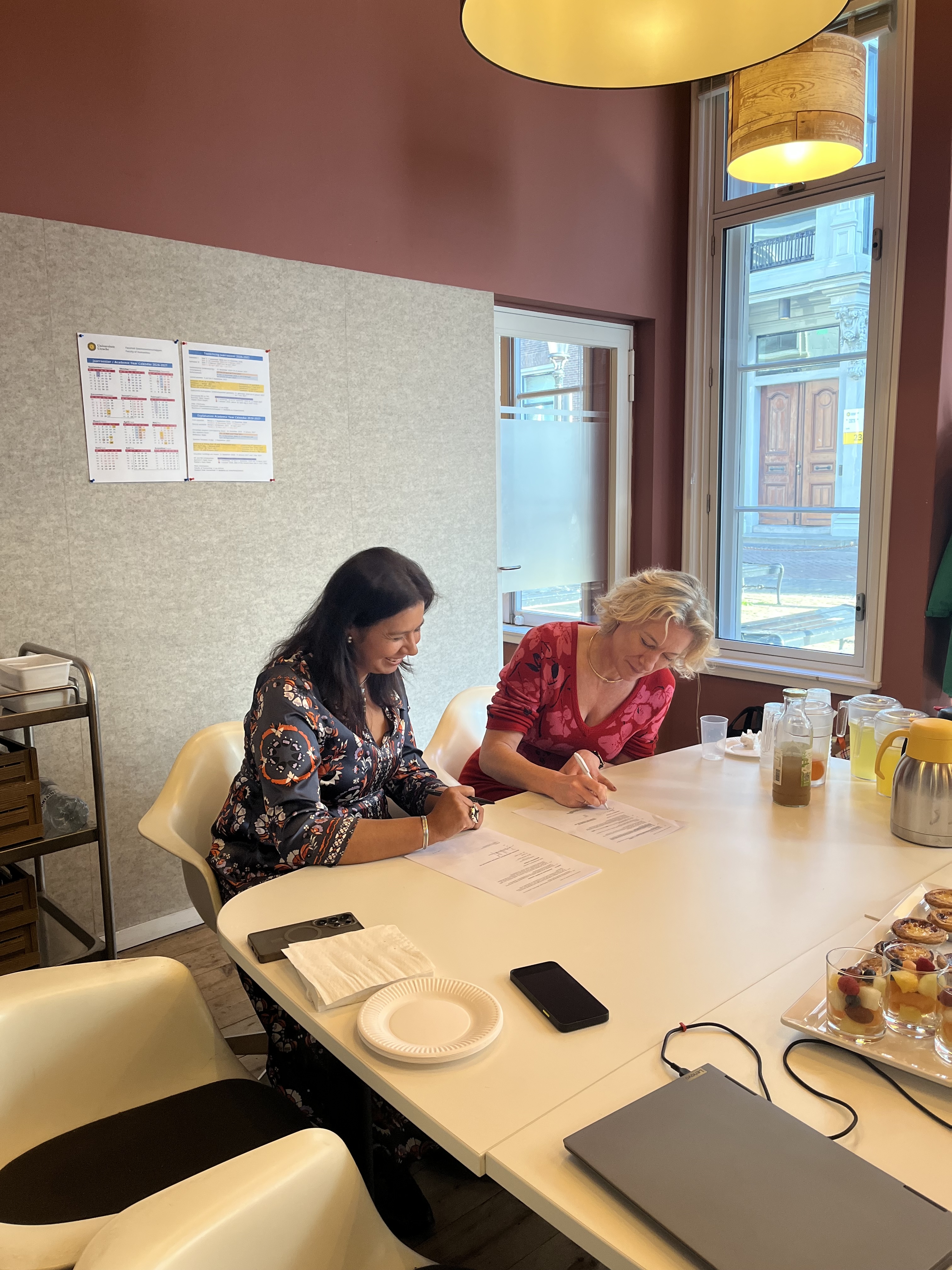
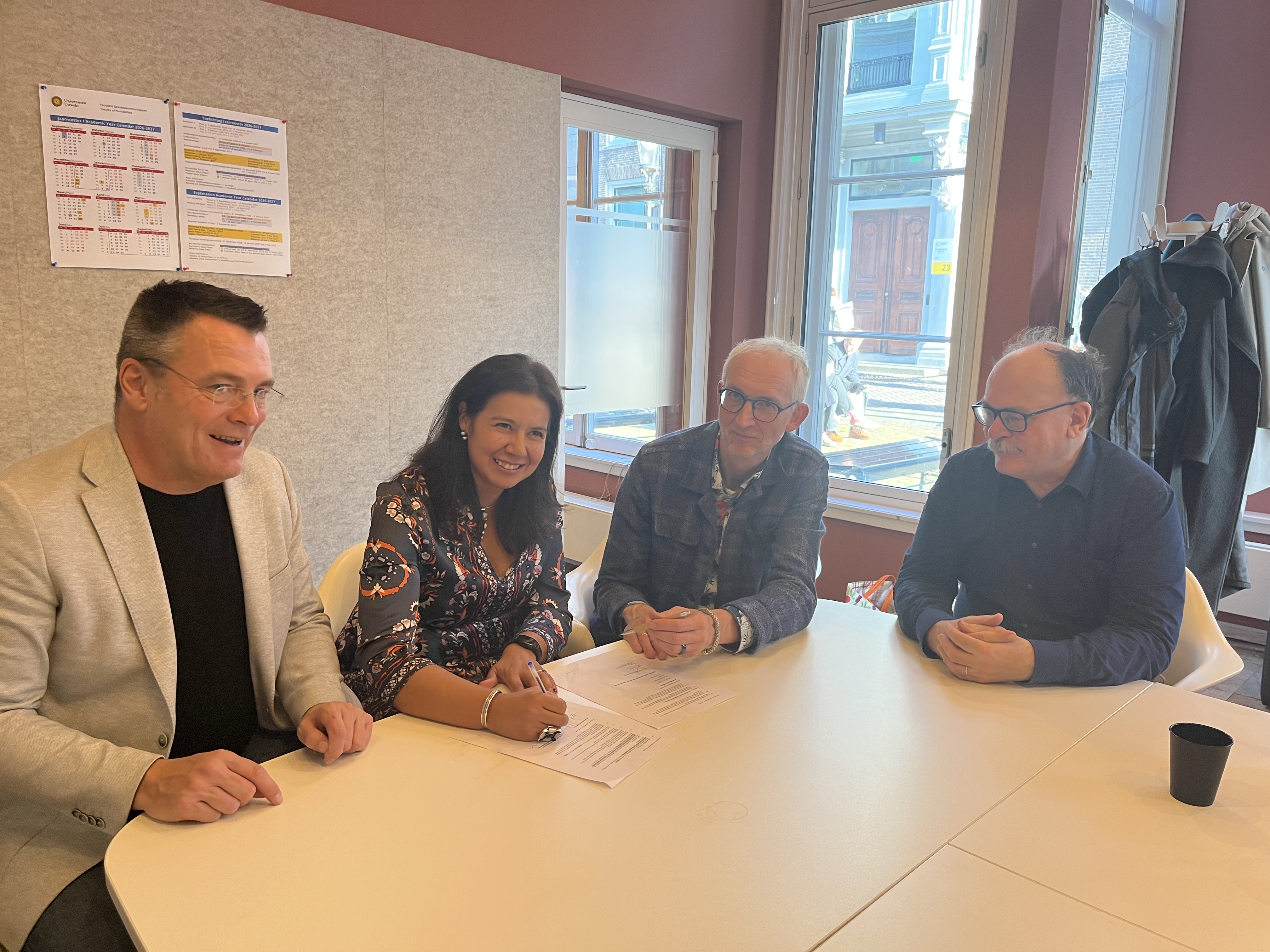
We are excited to announce that the Deep Transitions Lab is entering a new phase. Building on all of the work we’ve done over our first years, the Lab is establishing itself as a Foundation, welcoming Diana Velasco as its Director, and strengthening its connections across Utrecht University and a wider network of partners.
In the systems change space, the DT Lab brings a rigorous academic framework and along-term historical perspective to understanding how systems have changed, why they have evolved as they have, and how we can shape their transformation today. By understanding how our current systems came about, we can begin to imagine and create alternatives for the future.
The Lab launched back in autumn 2023 with an initial pilot of 18 months. In that time, we have recruited partners, developed and executed experiments, launched the Learning Hub alongside a Learning programme, completed many projects, widened and deepened our networks and taken great steps forward with our research.
As the first phase draws to a close, we are now moving into our expansion and scaling phase. The first phase clearly demonstrated that there was a need for a space where researchers and practitioners could work together on systems change investing. This next phase gives us the structure, flexibility and long-term horizon to build on that.
For Johan, the new Foundation is about creating the right conditions for DT's next phase: ensuring continuity while giving the Lab better flexibility to work across a range of strategic partnerships and respond to new opportunities. The Foundation allows us to move smoothly from our initial pilot into our longer-term expansion and scaling phase, under new leadership.
Our 10-year timeline is designed around flexibility and independence – which is why the move to a Foundation is part of building that longer-term trajectory for DT. It will give the Lab the structure and flexibility to develop our work over the coming years.
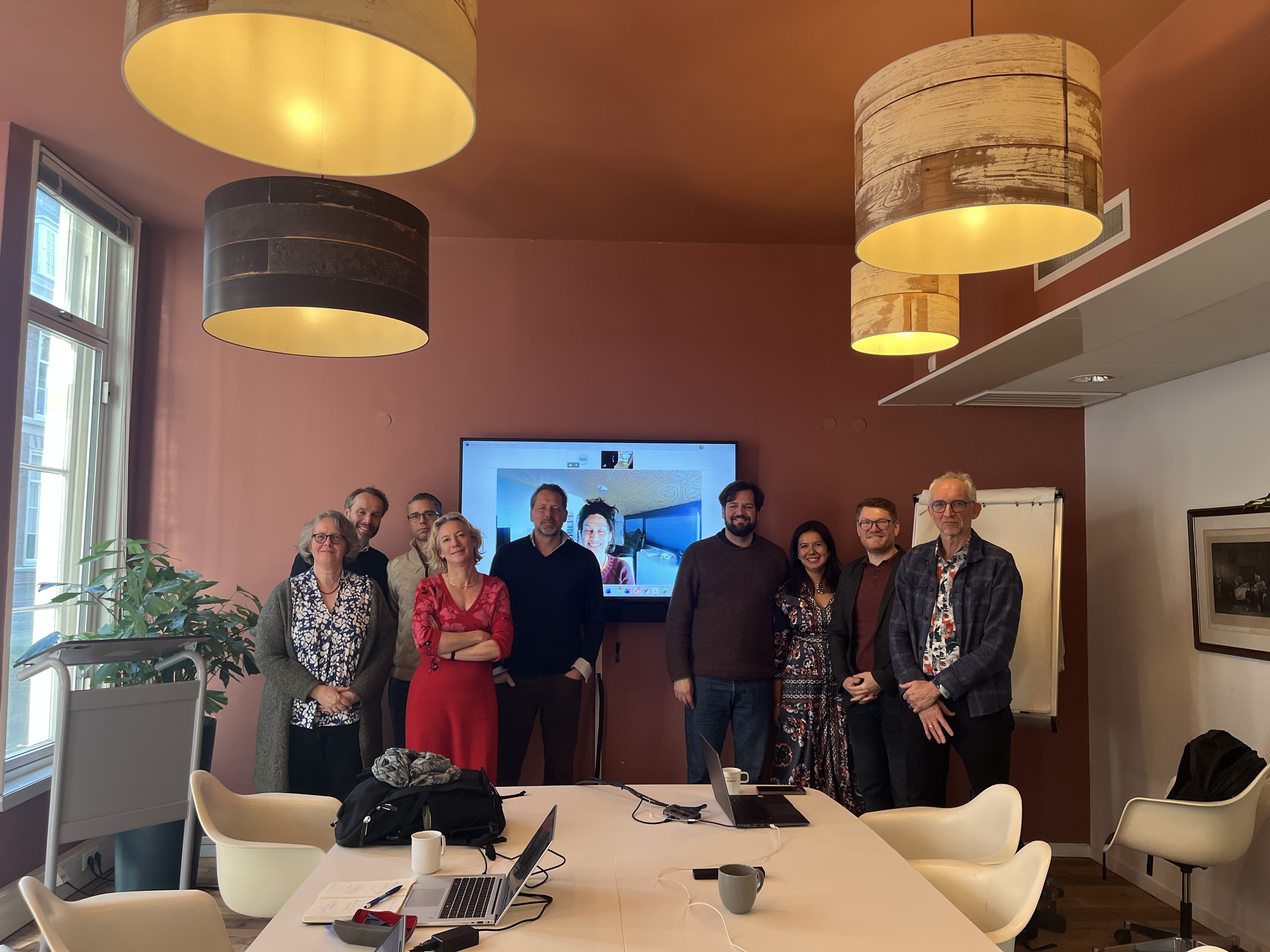
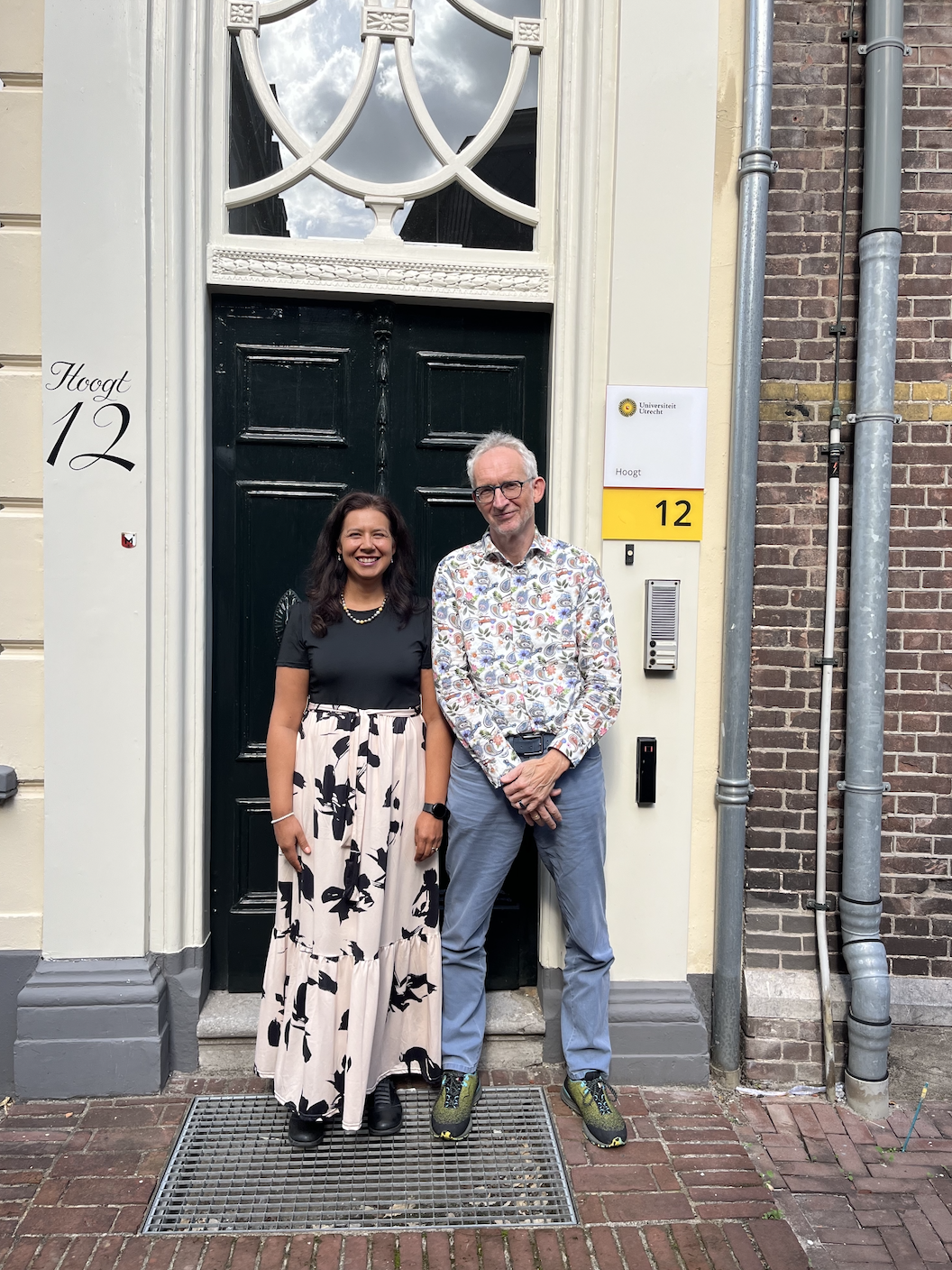
After many years of building and developing the Deep Transitions Lab (DTL), Johan Schot is handing over the Director role to our current Deputy Director Diana Velasco. For Johan, the change is about both continuity and renewal, marking a deliberate transition in leadership: “It’s time to hand over… and build a trajectory where I can stay involved.” Although Johan is stepping back from the Director role, he is not stepping away from the work. He will continue to contribute to Deep Transitions through his role as chairman of the DTL Board, his research and through leading a DTL flagship project building the Deep Transitions Global Investors Panel together with The ImPact.
“In a remarkably short time, the Deep Transitions Lab has evolved into a true field builder, giving substance to what systems transformation means both conceptually and in practice. Grounded in rigorous research backed by researchers at Utrecht University and INGENIO (CSIC-UPV) and tested in real-world experiments with our frontrunner partners, we are proving that finance isn't just capable of change; it is called to regenerate our planet and foster inter-well-being. Establishing the Lab as an independent Foundation marks an exciting new chapter,” says Diana.
Diana’s path began in Colombia – seeing firsthand how conventional models of progress often erase local knowledge and treat nature as a resource to be extracted. “True transformation isn’t about optimising a broken system or forcing a single blueprint onto the world; it’s about rewriting the underlying rules so that human capabilities and nature flourish together – what we call inter-well-being. Stepping into this role is about turning that vision into collective agency,” says Diana. At the Deep Transitions Lab, we aren't just studying change from the sidelines; we are building protected spaces (or niches as we call them) where investors, researchers, practitioners, and policymakers can unlearn old patterns and construct viable, regenerative futures together.
We expect more experimentation in the next phase. Our approach to experimentation is grounded in our longer-term historical understanding of how systems change based on the DT theory. By looking back at how today's financial and socio-technical systems emerged, which rules became embedded, and which alternative pathways were excluded, we can better understand what needs to change. We combine this historical perspective with real-world experiments,bringing together academic research and the lived expertise of investors and policymakers to test new possibilities and develop practical pathways towards transformation. We are moving beyond traditional metrics to test new financial rules in messy, real-world contexts, turning high-level systems thinking into practical tools that any investor can use.
“Investing more in sustainability isn't enough when the rules of finance still reward a short-term and extractivist pattern. As an independent Foundation, the Deep Transitions Lab is scaling a global niche of world builders ready to finance genuine systems change,” says Diana.
She goes on to say that “True transformation never comes from the top down, and it never succeeds by imposing foreign models onto local realities. Our collective leadership weaves together research, experimentation, learning, and communications so no single voice dominates. That is the spirit behind our regional hubs in Latin America and Africa: uniting deep-rooted academic traditions with novel practices already flourishing on the ground.”
DT's next phase will be shaped by a collective leadership model, bringing together different forms of expertise across research, experimentation, partnerships, communications and learning.
Working with investors to test Transformative Investment in real-world contexts.
Developing concepts, tools,metrics and evidence to understand and support systems change.
Building capabilities through the Learning Hub, Open Learning Series and programmes for students and professionals.
Developing the Deep Transition Global Investor Panel and exploring what it would take to change the financial system itself.
The Lab was created to address the gap between investors recognising the need for systems change and having the theoretical foundation, tools and practices to act on it. We all saw that investing more in sustainability is not enough to change our current unsustainable systems.
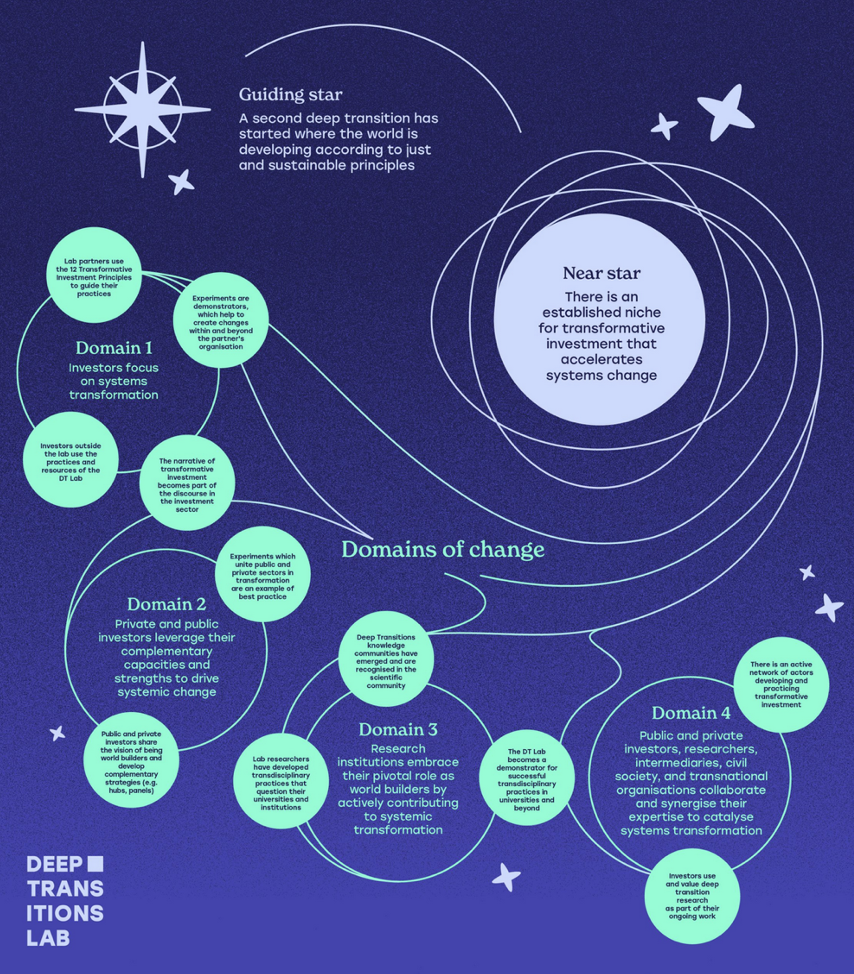
We will continue to be led by our Theory of Change as it provides the strategic foundation for the next decade, sets out how the Lab seeks to contribute to a Second Deep Transition and builds a space in which new investment practices can develop, be tested and spread.
Johan describes the transition as a natural evolution for the Lab. “The university nurtured it, developed it,” he says. “It’s now partly about implementation in practice.” The new structure allows DT to build on its academic foundations while creating more space to work directly with investors, partners and other actors seeking to put systems thinking into practice.
Diana goes on to say that “Utrecht University is our home. It gave us the trust, infrastructure, and intellectual space to build something rarely possible inside traditional academia. Moving into a Foundation doesn't weaken that bond; it amplifies it. With half our team remaining embedded at UU and a dedicated Scientific Advisory Board keeping our research at the cutting edge, we get the best of both worlds: deep academic rigour paired with the agility to work hands-on with investors in real-world settings.”
Our ambition for the next years is simple: to turn Transformative Investment from a pioneering concept into a recognised global practice. We aren't building the DT Lab in isolation, we are building an open,democratic platform where world builders across finance, policy, and academia can test new rules for the economy together
Diana believes the biggest opportunity lies in scaling our niche of world builders globally and challenging the rules of the financial system itself. Together with our sister infrastructure, TIPC, we are expanding our research, learning, and experimentation programmes into new regions, starting with Regional Hubs in Latin America and Africa. At the same time, alongside The ImPact, we are launching the Deep Transitions Global Investors Panel, a high-level sandbox where investors and researchers use historical analysis to examine how the rules of finance were written, which alternatives were sidelined, and how capital can be redirected toward genuine systems change rather than marginal improvements.
For Diana success means shifting the narrative of finance from greening economic growth to actively building inter-well-being. “Over the next decade,we want to move Transformative Investment from a niche to an institutionalised practice. That starts by building concrete demonstrators, executing real-world experiments with a variety frontrunner partners who embed our 12 principles directly into their strategies. It expands with the establisment of a Global Investors Panel developing a Theory of Change for changing the finance system more broadly and identify and implement various interventions. When non-Lab investors begin replicating our tools and metrics,we’ll know those demonstrators are working.” At the same time, we are reshaping academia itself: cultivating a global, transdisciplinary community of practitioners and training a new generation of scholars who don't just study the world but help build new rules for a just and sustainable future.
Together we will keep creating the knowledge, relationships and practical experience needed for that work to keep making impact – and that’s what we’re super excited for!